
Through Our Eyes
Accessibility:
#hearMeOut:

Young people and families living with disabilities and additional needs told us that accessibility is about much more than getting through a door.
It is about feeling welcome, understood, safe and included.

Who took part?
Responses were received from young people, young adults and parents/carers speaking on behalf of children with additional needs.
“Accessibility is still a daily challenge.”
When asked how easy it is to access places within their community:
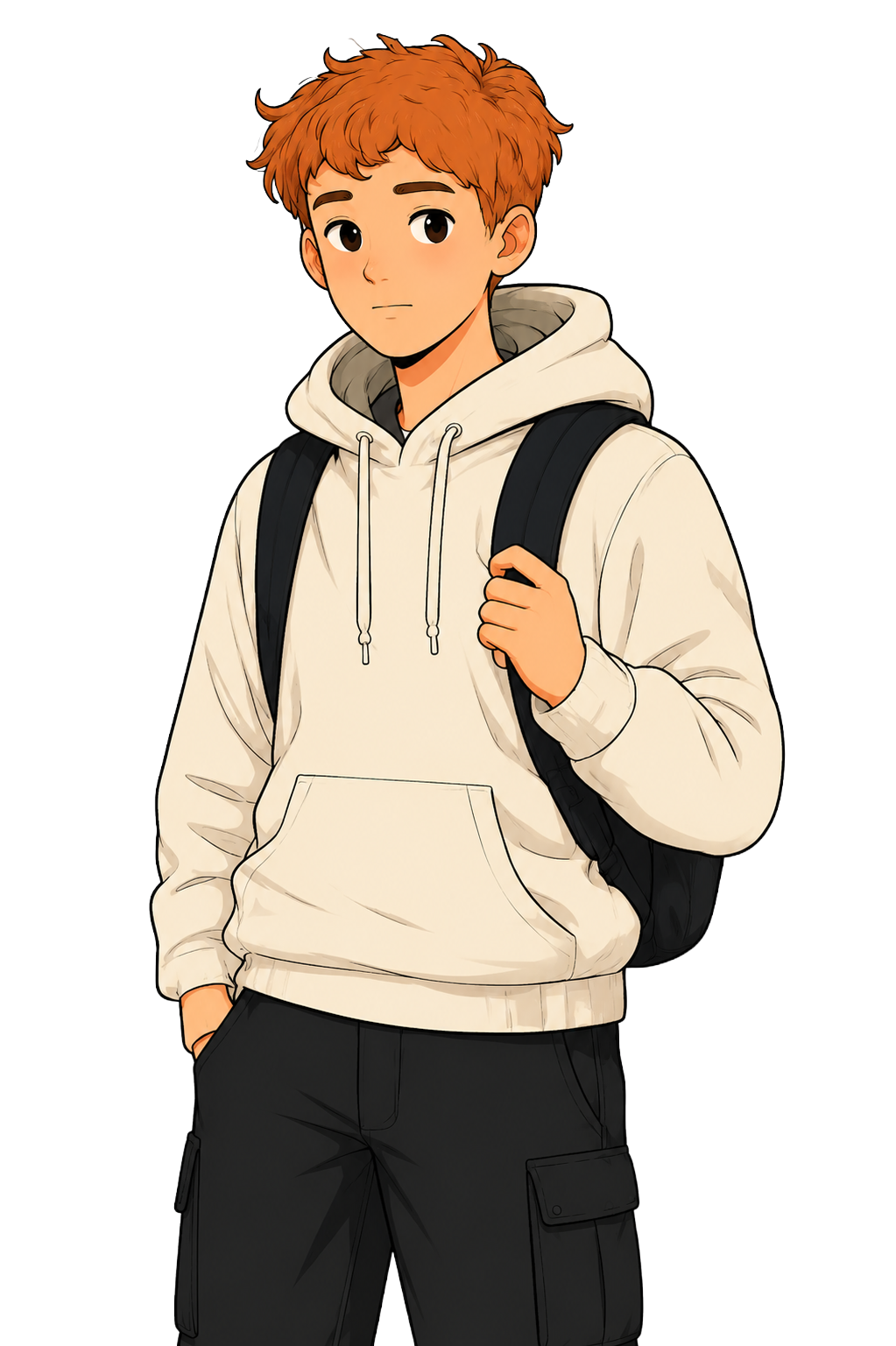
of survey respondents said accessing places is difficult

26% said it is very difficult
32% said it is sometimes difficult

Many respondents described barriers including broken lifts, inaccessible facilities, crowded environments and a lack of suitable spaces for people with additional needs.
Places Young People struggle to access most.
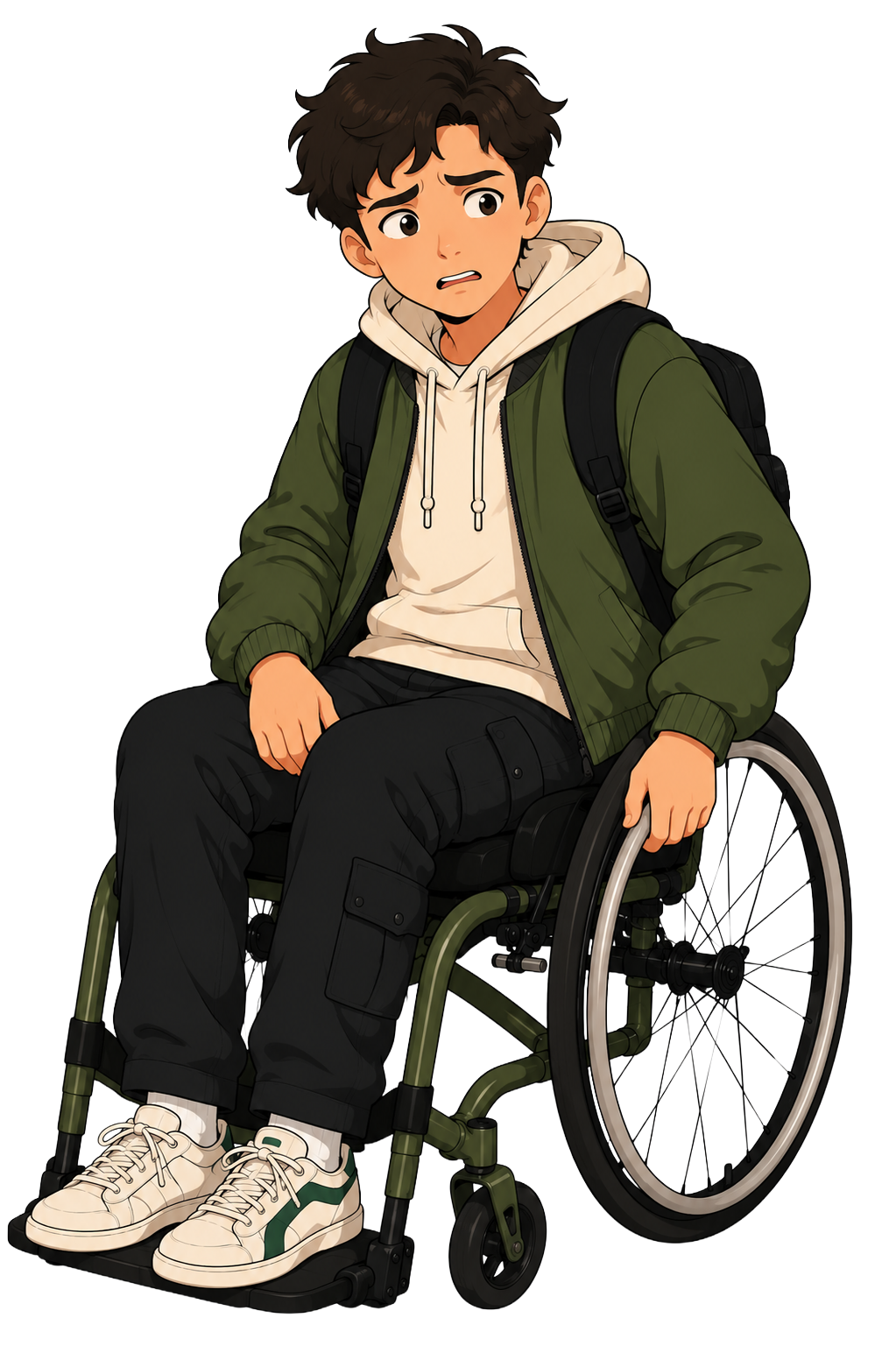
The places most frequently identified as difficult to access were:
These findings highlight that barriers are often found in everyday places where young people should be able to socialise, participate and feel part of their community.
Too many Young People are missing out!
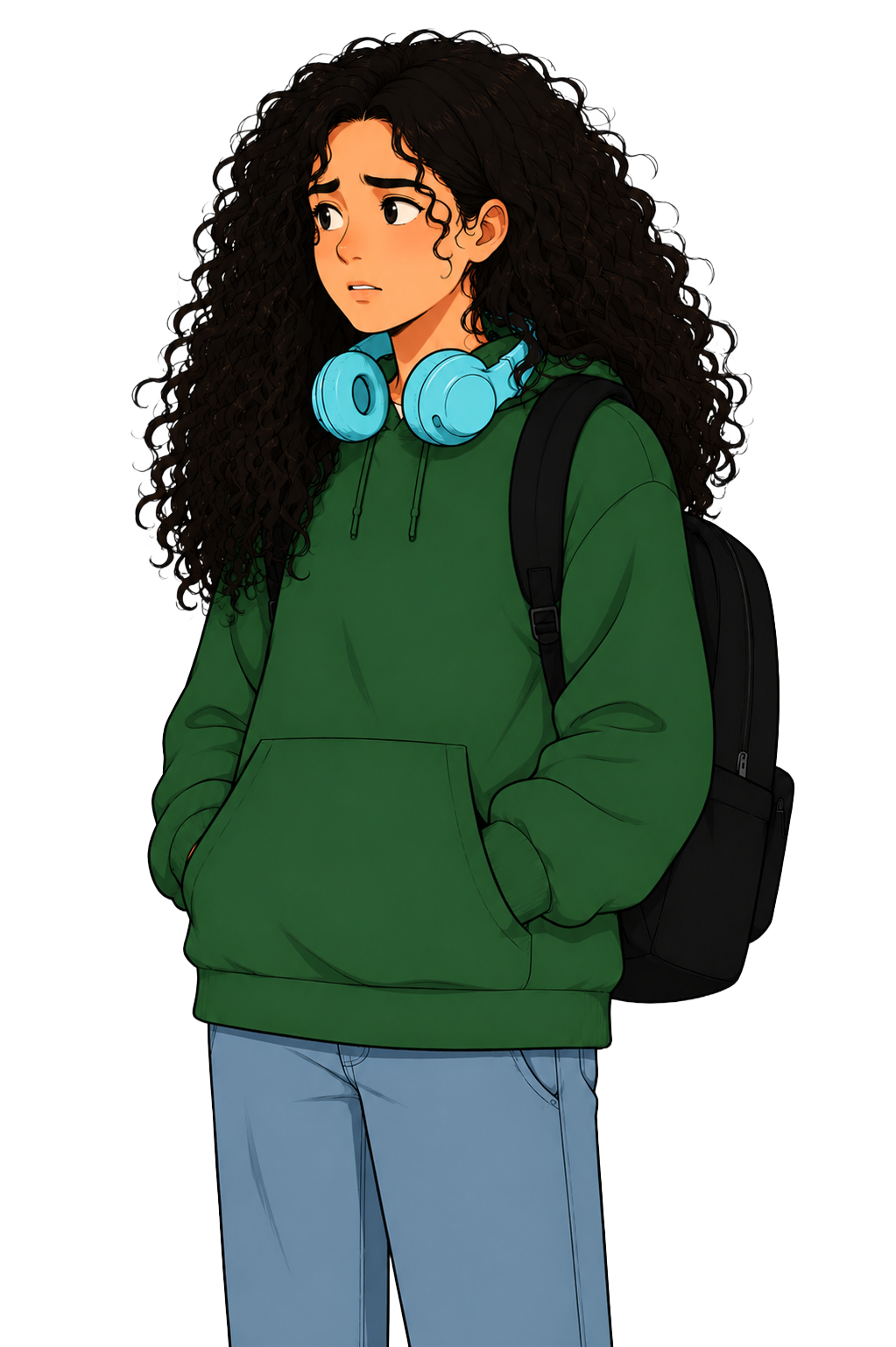
One of the strongest findings from the survey was the number of people avoiding activities altogether.
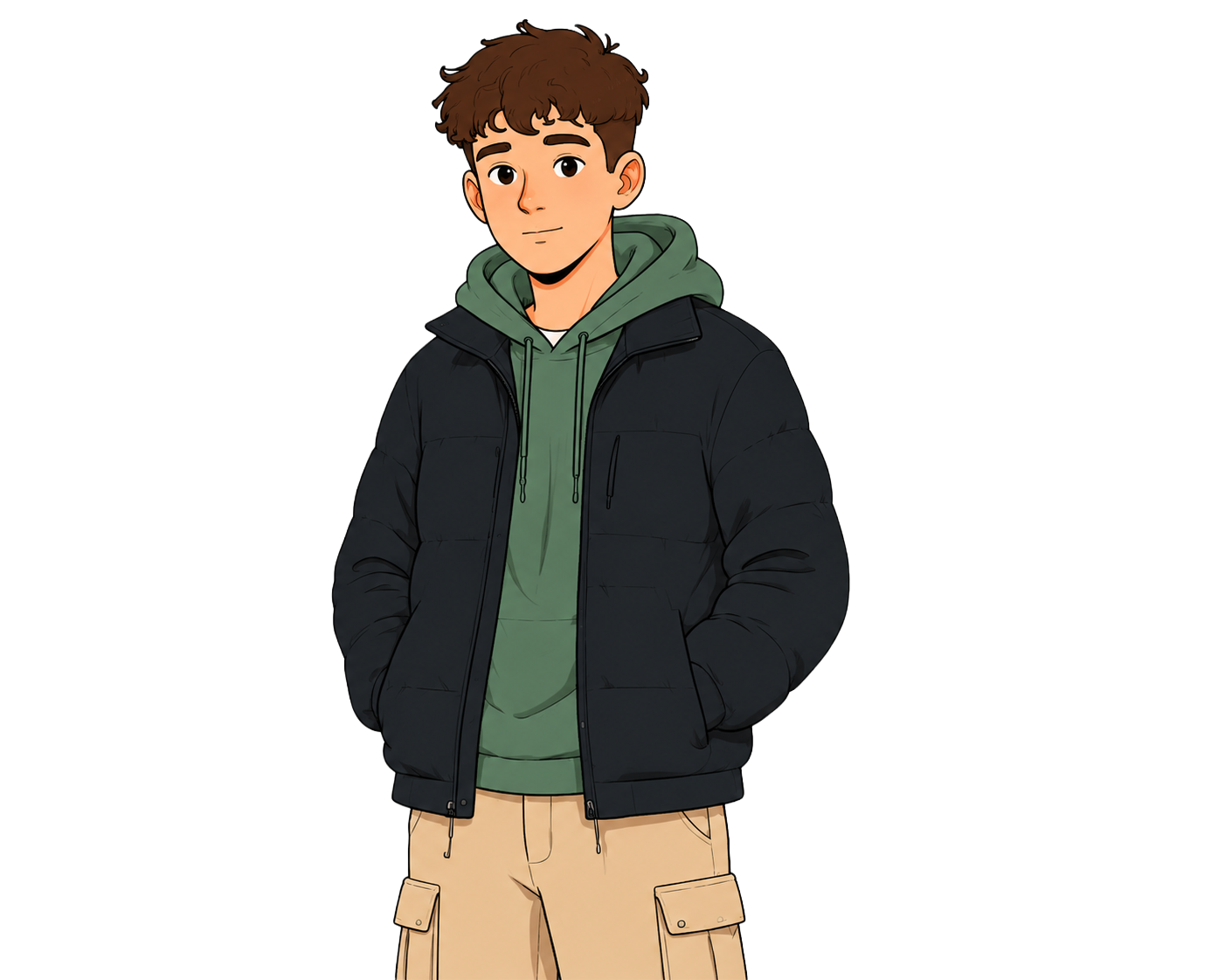
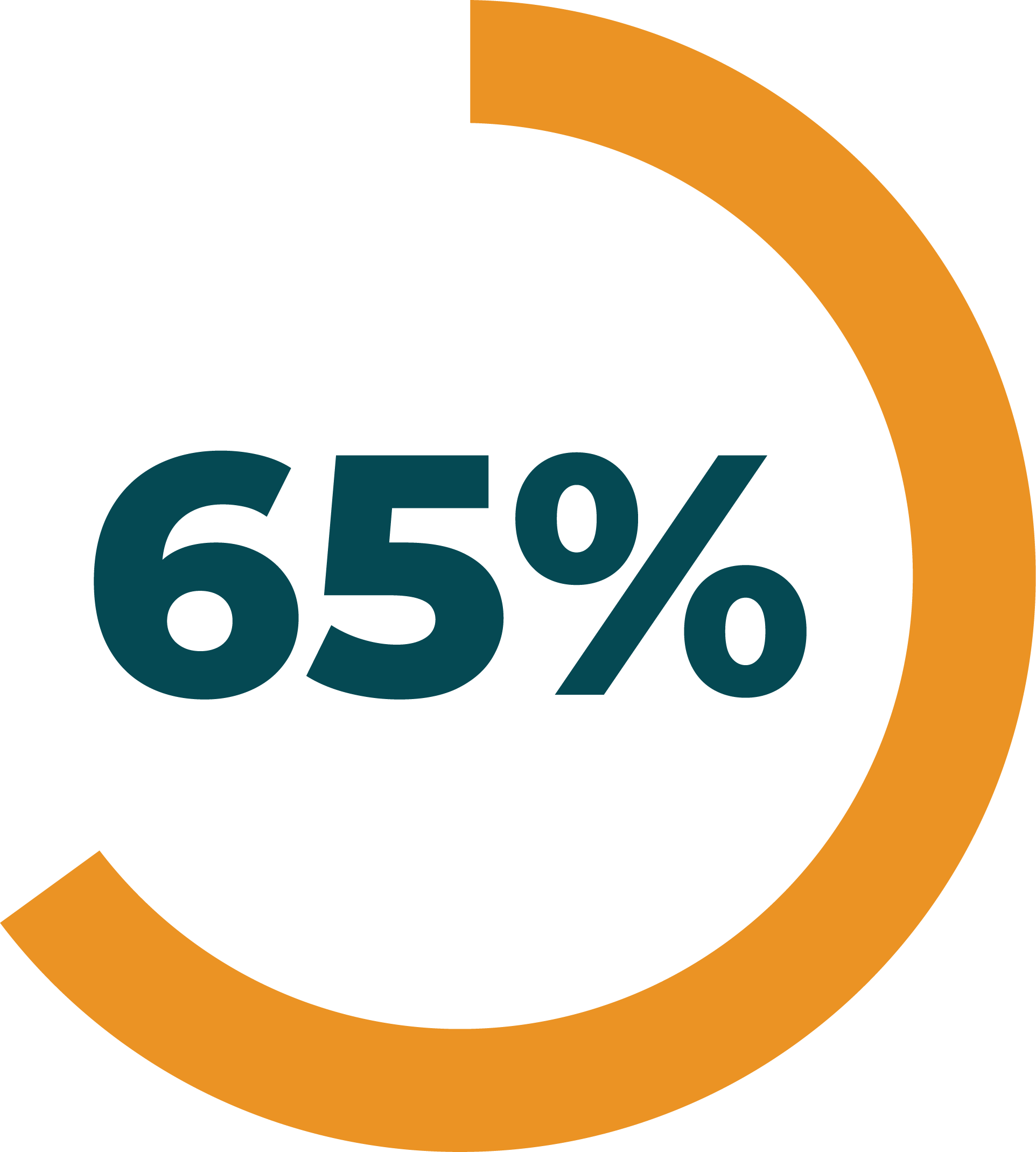
of survey respondents have avoided somewhere because it was not accessible or welcoming.
Many described choosing not to attend activities because of:
“Sensory overload”
“Lack of understanding from others”
“Concerns about safety”
“Inaccessible facilities”
“Anxiety about negative reactions”
For many, exclusion happens before they even arrive.
Accessibility is more than Physical Access.
When asked about the barriers they face most often, the responses showed a much broader picture.
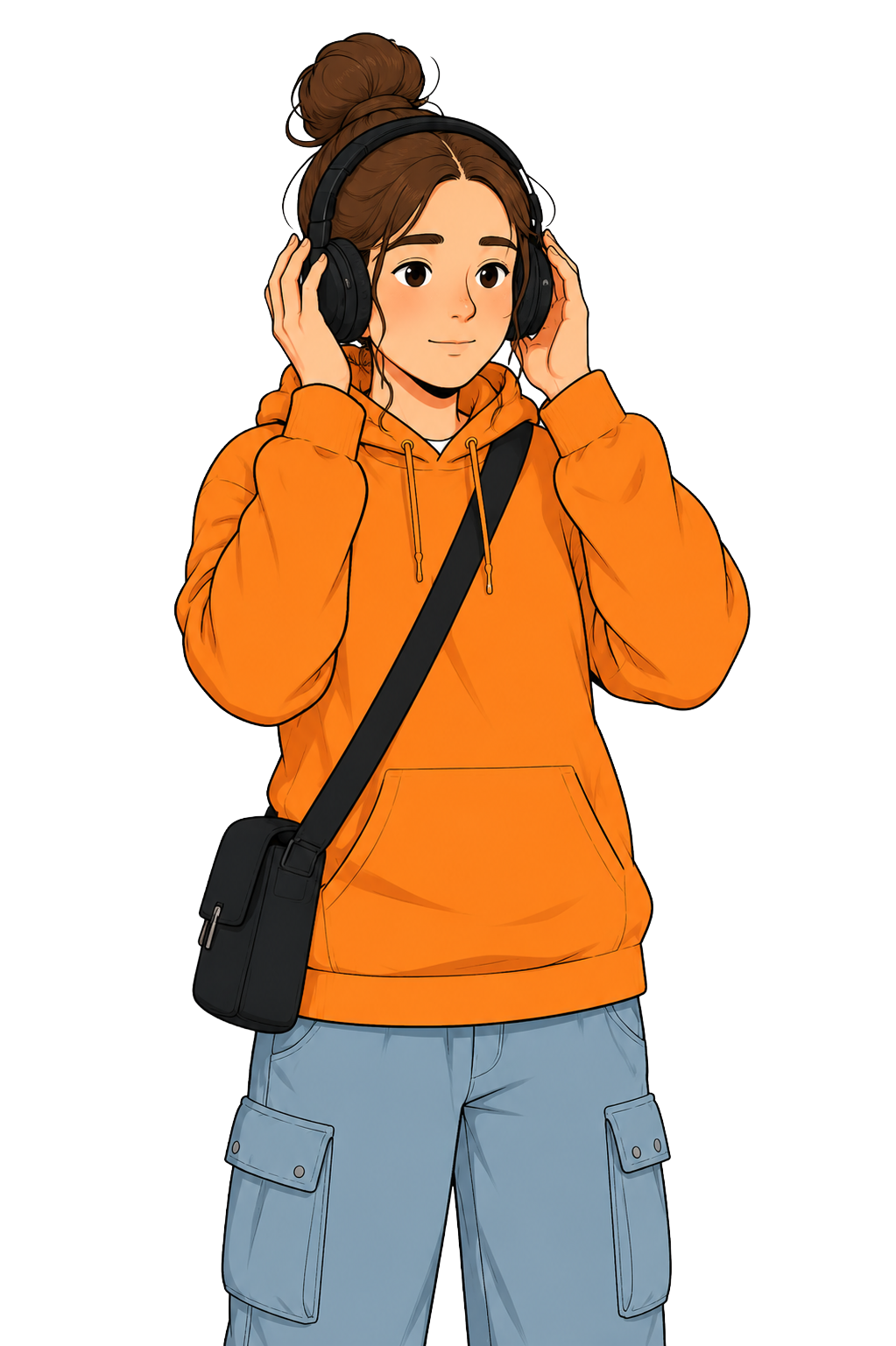
The findings show that accessibility is not only about buildings. It is also about communication, understanding, sensory awareness and dignity.
Transport continues to be a major barrier.
Travelling around the community remains difficult for many respondents.

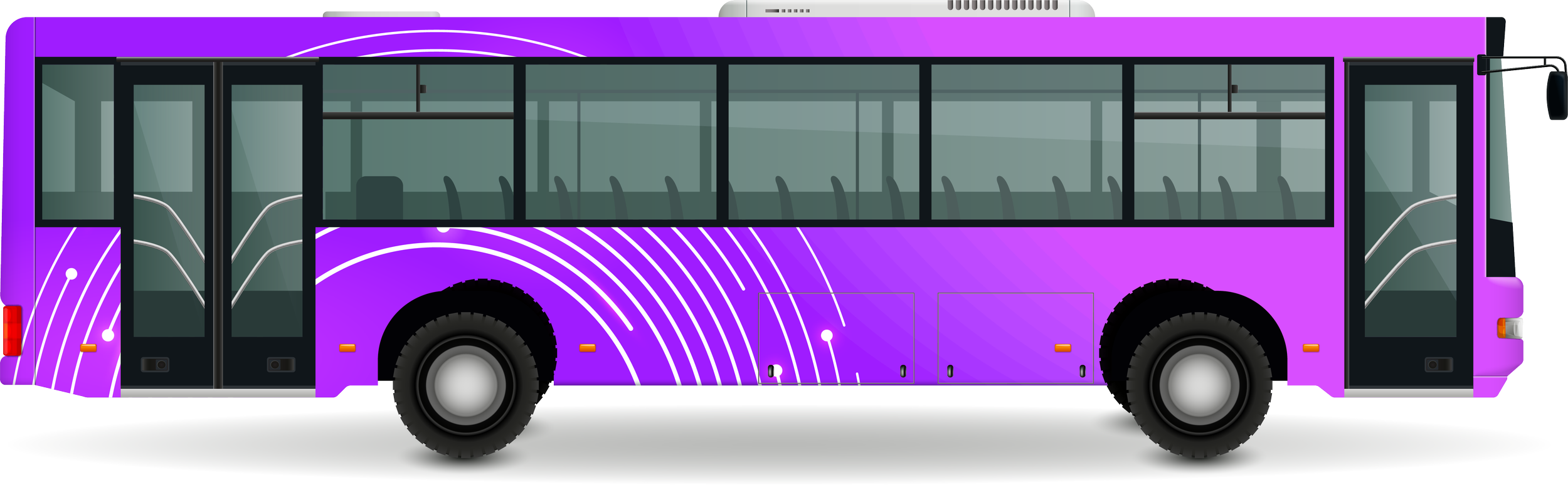
of survey respondents said transport issues have stopped them attending something important or enjoyable.
The biggest travel challenges identified were:
Unreliable services
Long waiting times
Safety concerns
Difficult information and directions
Lack of accessible transport
For many young people, transport can determine whether opportunities are accessible at all.
“Inclusion begins with Understanding.”
Despite many positive experiences, there is still work to do.
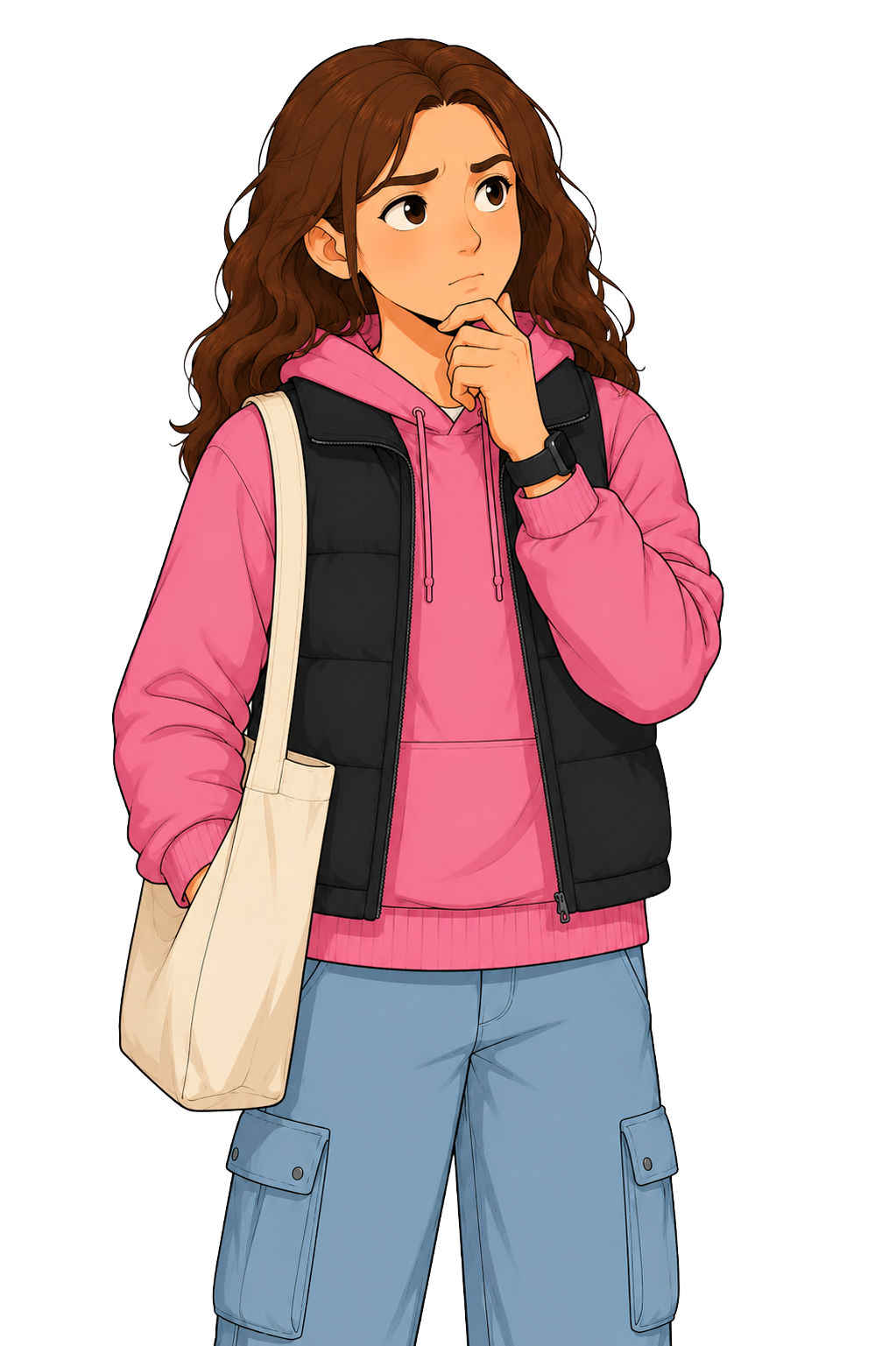
When asked if they feel included in their community:
Many respondents spoke about feeling judged, misunderstood or overlooked because their disability is not immediately visible.
What would make the biggest difference?
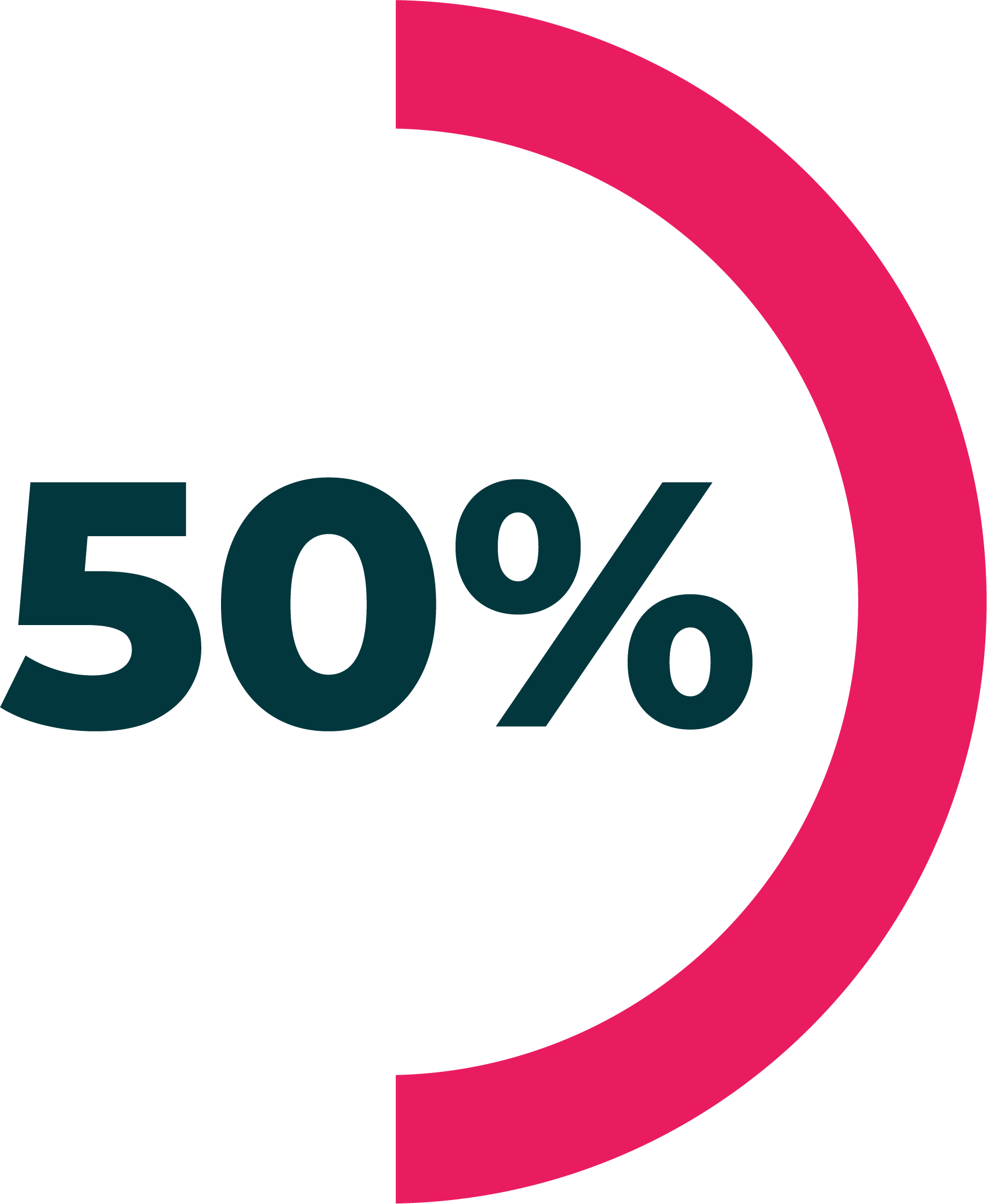
When asked what changes would improve accessibility most, one response stood out above all others.
of survey respondents chose Better Awareness & Understanding
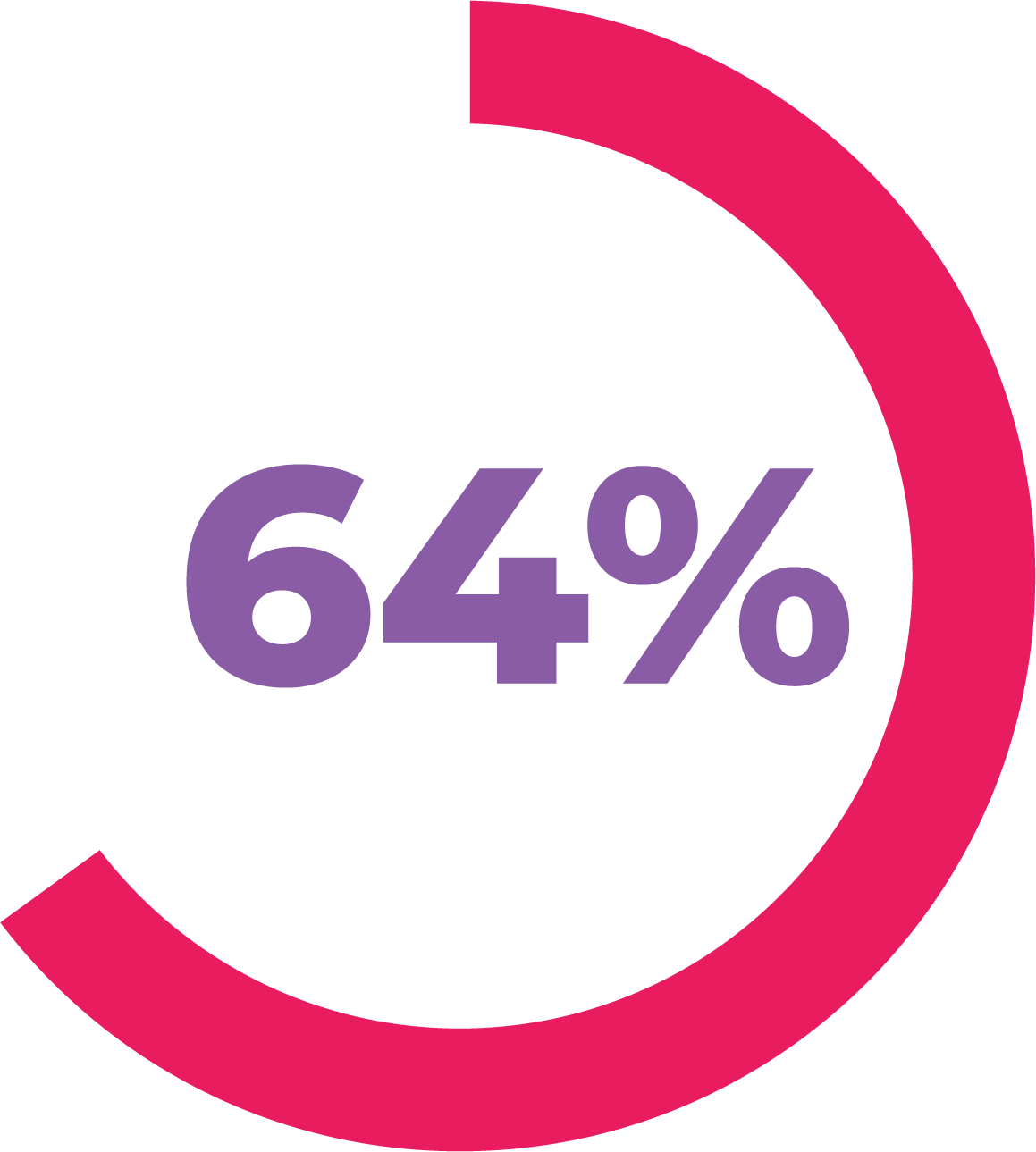
The message is clear:
People want understanding just as much as physical access.
Who needs to do more?
Respondents believe improving accessibility is everyone's responsibility.
Accessibility is not the responsibility of one organisation alone. It requires collective action across communities, services and public spaces.
The Message behind the numbers.
The strongest theme throughout the survey was not ramps, lifts or transport.
It was understanding.
Young people and families repeatedly spoke about:
✓ Being listened to
✓ Being given time
✓ Feeling safe
✓ Being treated with dignity
✓ Having their needs understood
✓ Being included without judgement
Accessibility is not simply about getting into a building. It is about being able to participate, belong and thrive within the community.
#hearMeOut